
Ideas
15 September 2026 · 5 min read
Designing tropical landscapes for longevity
A landscape should be planned to mature, not merely to survive its first season.
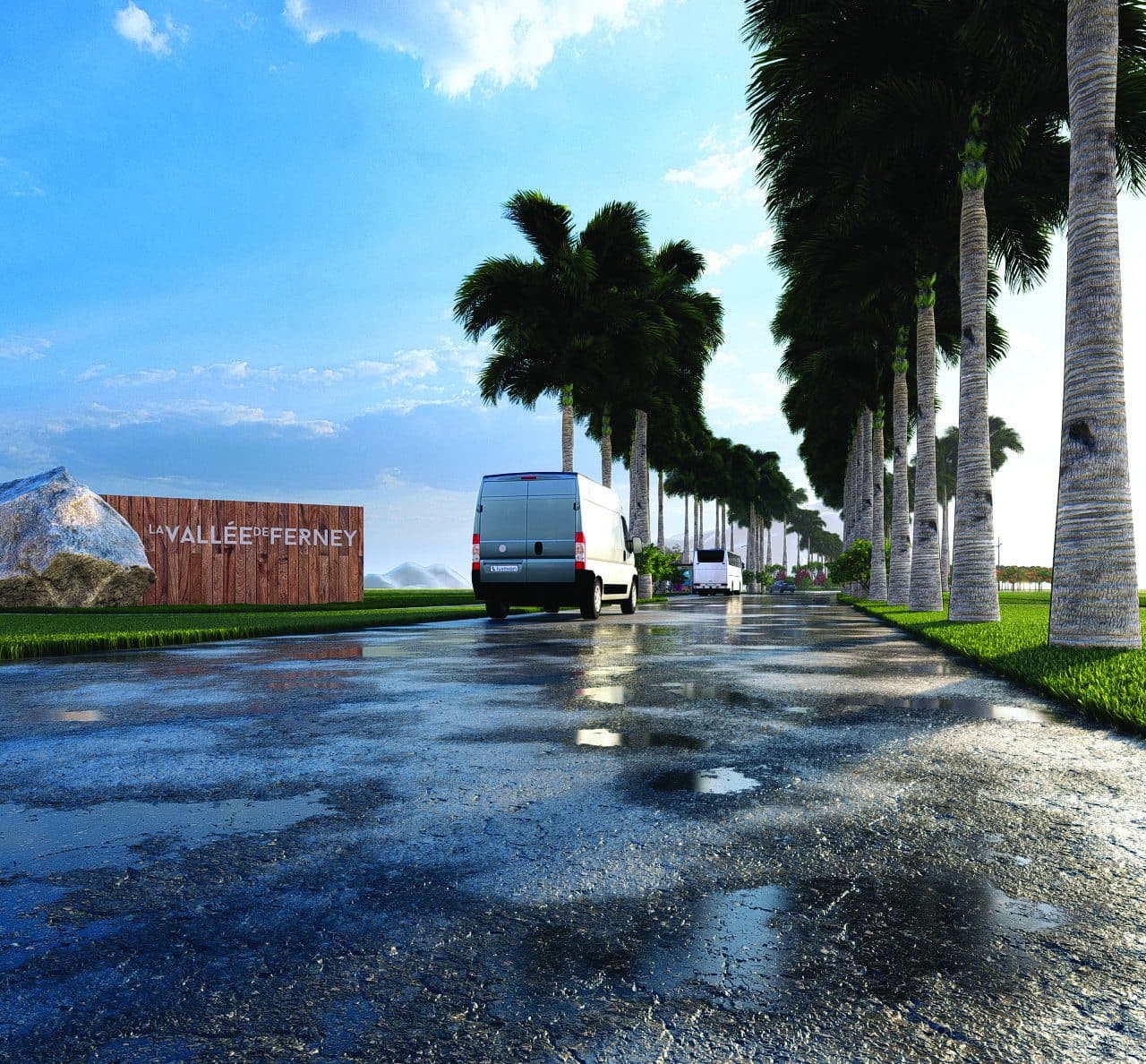
In Mauritius the conditions that decide whether a landscape lasts are rarely gentle. Salt spray, sea surges, intense rain, trade winds and a short dry season all arrive within the first years of a project — usually before the planting has properly established.
At Le Morne we were asked to resolve the ingress of tidal waves into part of a resort. The answer was not a wall. Site levels were used to create a series of swales that redirect water away from the rooms and into a designed low point, and native and coastal plants tolerant of salt spray and surges were specified so that the landscape absorbs the event rather than fighting it.
Instead of fighting against mother nature, we designed a landscape that adapts to it.
Longevity begins with knowing the local plant species — native and exotic — and the hardscape materials that suit the ground and climatic conditions and are actually available on the market. It continues with detailing that lets a place age: surfaces that weather rather than stain, structures that accept repair, planting allowed to fill in rather than held to a photographic first year.
The landscapes that still look right in Mauritius after a decade are the ones designed as systems — water, shade, soil and species working together — rather than as compositions of products. That is the standard we design to.